

Welcome to Chattogram, a bustling port city in southeastern Bangladesh known for its significant role in the nation’s economy and culture. This guide explores the city’s history, economic importance, cultural heritage, and more.
Historical Background Early History
Chattogram, historically known as Chattagrama, has always been a key trading hub due to its strategic location. It served as an essential link between South Asia and Southeast Asia long before the colonial era.
Colonial Era
During the British colonial period, Chattogram was recognized for its strategic importance. The British East India Company developed its infrastructure, including railways and port facilities, which played a crucial role in the city’s growth.
Post-Independence Development
After Bangladesh gained independence in 1971, Chattogram continued to expand. The city’s port was modernized, and economic policies were implemented to boost industrial growth, contributing to its current status as a major economic hub.
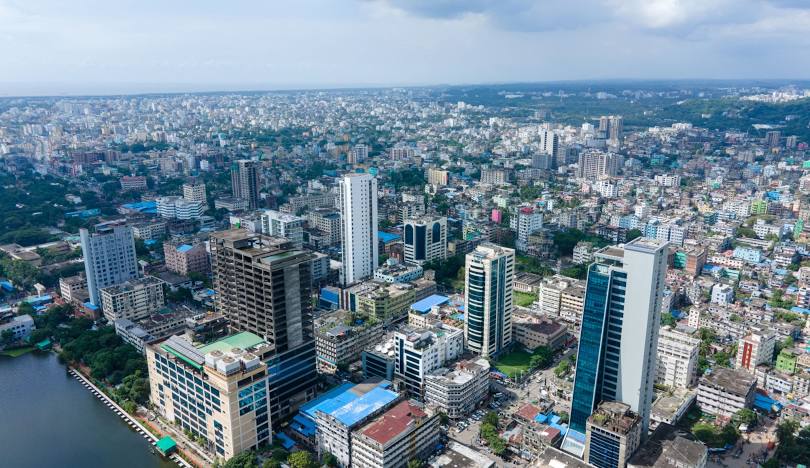
Geography and Climate Location and Boundaries
Situated on the southeastern coast of Bangladesh, Chattogram borders the Bay of Bengal. Its natural harbor is one of the largest in the world, making it an ideal location for maritime trade.
Climate Characteristics
Chattogram experiences a tropical monsoon climate, with high temperatures and substantial rainfall. Summers are hot and humid, while the monsoon season brings heavy rains, essential for agriculture in the region.
Economic Significance Major Industries
The city’s economy is diverse, with key industries including textiles, shipbuilding, and manufacturing. The garment industry, in particular, plays a major role in Chattogram’s economic landscape.
Port and Shipping Industry
The Port of Chattogram is a critical component of Bangladesh’s international trade. It handles the majority of the country’s cargo and is essential for regional and global logistics.
Economic Contributions to Bangladesh
Chattogram’s economic activities significantly impact the national GDP. The city’s industrial output and port operations are vital for Bangladesh’s overall economic development.
Cultural Heritage Major Festivals and Events
Chattogram hosts various festivals and events that highlight its cultural diversity. Notable celebrations include the Chattogram International Trade Fair and traditional Bengali festivals that showcase local customs and traditions.
Traditional Cuisine
The city is renowned for its flavorful and spicy cuisine. Must-try dishes include “Mezban” beef, “Panta Bhat” (fermented rice), and a variety of street foods that reflect Chattogram’s rich culinary heritage.
Art and Architecture
Chattogram’s architecture is a blend of colonial-era buildings and modern structures. The city’s art scene includes traditional and contemporary styles, reflecting its dynamic cultural landscape.
Tourist Attractions Historical Sites
History enthusiasts can explore various historical sites in Chattogram, such as the Old Chattogram Jail and ancient temples and mosques that offer insights into the city’s past.
Natural Attractions
Chattogram is known for its natural beauty. Highlights include Cox’s Bazar Beach, the world’s longest natural sea beach, and the scenic hills of Bandarban, both popular among nature lovers.
Modern Attractions
The city also features modern attractions like shopping malls, entertainment centers, and luxury hotels, blending traditional charm with contemporary amenities.
Education and Research – Prominent Educational Institutions
Chattogram houses several reputable educational institutions, including Chittagong University and Chittagong Medical College, known for their academic and research excellence.
Research and Development
The city supports research and development in various fields, such as maritime studies, industrial technology, and environmental sciences, contributing to both local and international knowledge.
Transportation and Infrastructure – Public Transportation
Chattogram’s public transportation includes buses, rickshaws, and auto-rickshaws, providing essential connectivity within the city.
Road and Rail Networks
The city boasts a well-developed road and rail infrastructure, facilitating the efficient movement of goods and people both locally and regionally.
Port Facilities
The Port of Chattogram is equipped with state-of-the-art facilities that handle a wide range of cargo, supporting the city’s role as a major trade hub.

Local Government and Administration – City Governance
Chattogram is governed by a city corporation responsible for urban services and development projects. The local government plays a crucial role in managing the city’s growth and infrastructure.
Administrative Structure
The city’s administrative structure includes various departments and agencies that oversee different aspects of urban management, from public health to transportation.
Population and Demographics Population Statistics
Chattogram is one of Bangladesh’s most populous cities, with a growing population reflecting its economic opportunities and urban appeal.
Demographic Trends
The city’s demographic trends show a diverse population with a mix of ethnic groups and cultures, contributing to its vibrant social fabric.
Challenges and Opportunities – Urbanization Issues
As Chattogram grows, it faces challenges related to urbanization, such as traffic congestion and pollution. Addressing these issues requires coordinated efforts from both the government and the community.
Economic Opportunities
Despite these challenges, Chattogram presents numerous economic opportunities. The city’s strategic location and industrial base offer potential for growth in sectors like tourism, manufacturing, and technology.
Future Prospects Development Plans
Chattogram has ambitious development plans aimed at enhancing its infrastructure, expanding port facilities, and improving urban living conditions. These initiatives are designed to boost the city’s global standing.
Projected Growth
With ongoing development and strategic initiatives, Chattogram is expected to continue its growth trajectory, offering opportunities for economic and cultural advancement.
Local Cuisine and Dining – Popular Dishes
Chattogram’s cuisine is known for its spicy and flavorful dishes. Popular items include Mezban beef, Chingri Malai Curry (prawn curry), and local street foods that provide a taste of the city’s culinary traditions.
Notable Restaurants
The city offers a range of dining options, from traditional eateries to modern restaurants, allowing visitors to experience a diverse array of local flavors.
Lifestyle and Local Culture Everyday Life
Life in Chattogram is a mix of tradition and modernity, with residents enjoying a vibrant lifestyle that includes cultural events, recreational activities, and a rich social life.
Cultural Practices
Local cultural practices in Chattogram encompass traditional music, dance, and festivals, reflecting the city’s heritage and contributing to its unique character.

Chattogram – Bangladesh’s Port City Conclusion
Chattogram stands out as a city of historical significance, economic vitality, and cultural richness. Its strategic location, thriving economy, and diverse cultural heritage make it a key player in Bangladesh’s growth story. As the city continues to evolve, it offers numerous opportunities for exploration and development.
FAQs
- What is the significance of Chattogram’s port?
Chattogram’s port is vital for Bangladesh’s international trade, handling a significant portion of the country’s cargo. - What are some must-visit attractions in Chattogram?
Attractions include Cox’s Bazar Beach, Bandarban hills, and historical sites like the Old Chattogram Jail. - What traditional dishes should I try in Chattogram?
Try Mezban beef, Chingri Malai Curry, and local street foods for an authentic taste. - How is the transportation system in Chattogram?
The city has a well-developed transportation network, including buses, rickshaws, and road and rail links. - What are the future development plans for Chattogram?
Plans include expanding port facilities, enhancing infrastructure, and improving urban services.


Comment (0)